
How a brain injury kicked it off
Welcome — and thank you for being here.
This is Chapter 1 of my book From no direction to clear direction – Guided by my true values.
The book is written step by step to help you reflect, grow, and find your own direction in life.
You can find all chapters in the menu above.
Imagine sitting or standing somewhere, feeling that your life is not as good as you want it to be - but not knowing where you want to go.
This book is about how to change that.
It is about finding a clear direction that helps you feel calmer, happier, and more satisfied with life.
This book starts with my personal story.
By reading it, I hope it may help you discover the direction you are searching for—and perhaps help you find more balance, clarity, and calm in your own life.
This is where my story begins.
The accident that saved me
One evening in March 2023, I fell in a forest and hit my head badly.
I started bleeding from a deep cut on the right side of my forehead.
I was taken to the hospital, where they treated the wound and stitched the cut. Everything seemed fine, so I continued my travels.
At the end of March, I traveled from Calabria to Sicily, where I stayed until the end of May. After that, I returned to Torino in northern Italy, where I was living at the time.
During June, I began feeling increasingly tired. I often wanted to sleep, and by the end of the month, something felt deeply wrong.
On the evening of Wednesday, 28 June, my condition got much worse. My head and body felt terrible, and I was close to fainting. I called an ambulance, and they took me to the hospital.
After an X-ray and examination, the doctors told me my fall had caused internal bleeding in my head and that I needed surgery.
The diagnosis was ematoma subdurale in Italian—a subdural hematoma in English.
This means blood had collected between the surface of my brain and the dura mater, the protective outer covering of the brain.
The bleeding had started after my fall in March. Over the following months, blood slowly accumulated, creating dangerous pressure on my brain.
This was classified as a subacute subdural hematoma, meaning the symptoms developed gradually over time.
Suddenly, everything made sense: the headaches, dizziness, fatigue, confusion, nausea, and overwhelming urge to sleep.
I was told I needed surgery to drain the blood, but it would likely take place in another hospital.
Preparing for brain surgery
On Saturday, 1 July 2023, I was transferred to another hospital.
That weekend, I underwent several more X-rays and met the neurologist who would perform the surgery.
He explained that it was a standard procedure and should take one to two hours.
He said:
“We will not fully open your scalp. Instead, we will drill small holes on both sides of your head to access the area where the blood has collected. The worst bleeding is on the left side.”
The active bleeding had already stopped, but the dried blood still needed to be removed.
Before surgery, I was informed that although the procedure was routine, complications could happen in rare cases. I signed the necessary paperwork and was brought into the operating room.
I remember being moved from the hospital bed to the surgical table, then receiving a mask over my face.
The next thing I remember is waking up afterward a friend sitting beside my bed.
I felt dizzy and confused.
She said something to me, and I responded. But when I heard my own voice, I immediately knew something was wrong. My speech sounded different. Strange. Unfamiliar.
Then I tried to grab her arm with my right hand—and couldn’t.
That moment was terrifying.
Soon after, I drifted back to sleep, still exhausted from the anesthesia.
The day after
The next morning, the neurologist visited me.
He asked how I felt, but when I tried to answer, my words would not come out properly. My right hand and fingers still didn’t work normally.
He calmly explained what had happened.
During surgery, while removing the dried blood, a tiny part near the dura mater had been affected. This can sometimes happen, and temporary side effects like speech difficulties or motor issues are possible.
He reassured me:
“This is not unusual. You will recover. We will give you the best support with speech therapy and physiotherapy. Your brain is capable of adapting.”
He explained something that would soon become deeply important to me: the brain can create new pathways.
Even after injury, the brain can reorganize itself and rebuild connections between the brain and muscles controlling speech, movement, and coordination.
This process is called neuroplasticity.
At the time, I did not know how important that concept would become in my life.
Later that day, treatment began.
When my sister called, I tried to speak—but I couldn’t communicate properly.
The words sounded normal inside my head, but what came out was wrong. She couldn’t understand me, and she started crying.
A nurse had to reassure her that I was okay and receiving good care.
My friend was also deeply worried, especially seeing that my right hand and fingers were not functioning properly.
Luckily, she had brought my MacBook and charger.
That became important.
Because suddenly, I found myself in a situation where everything I had previously studied about neuroscience and neuroplasticity was no longer theoretical. It was personal.
I had lost my ability to speak properly and control parts of my hand.
Now I needed to understand how to recover.
And instead of collapsing mentally, something unexpected happened: I became intensely curious.
Neuroplasticity explained simply
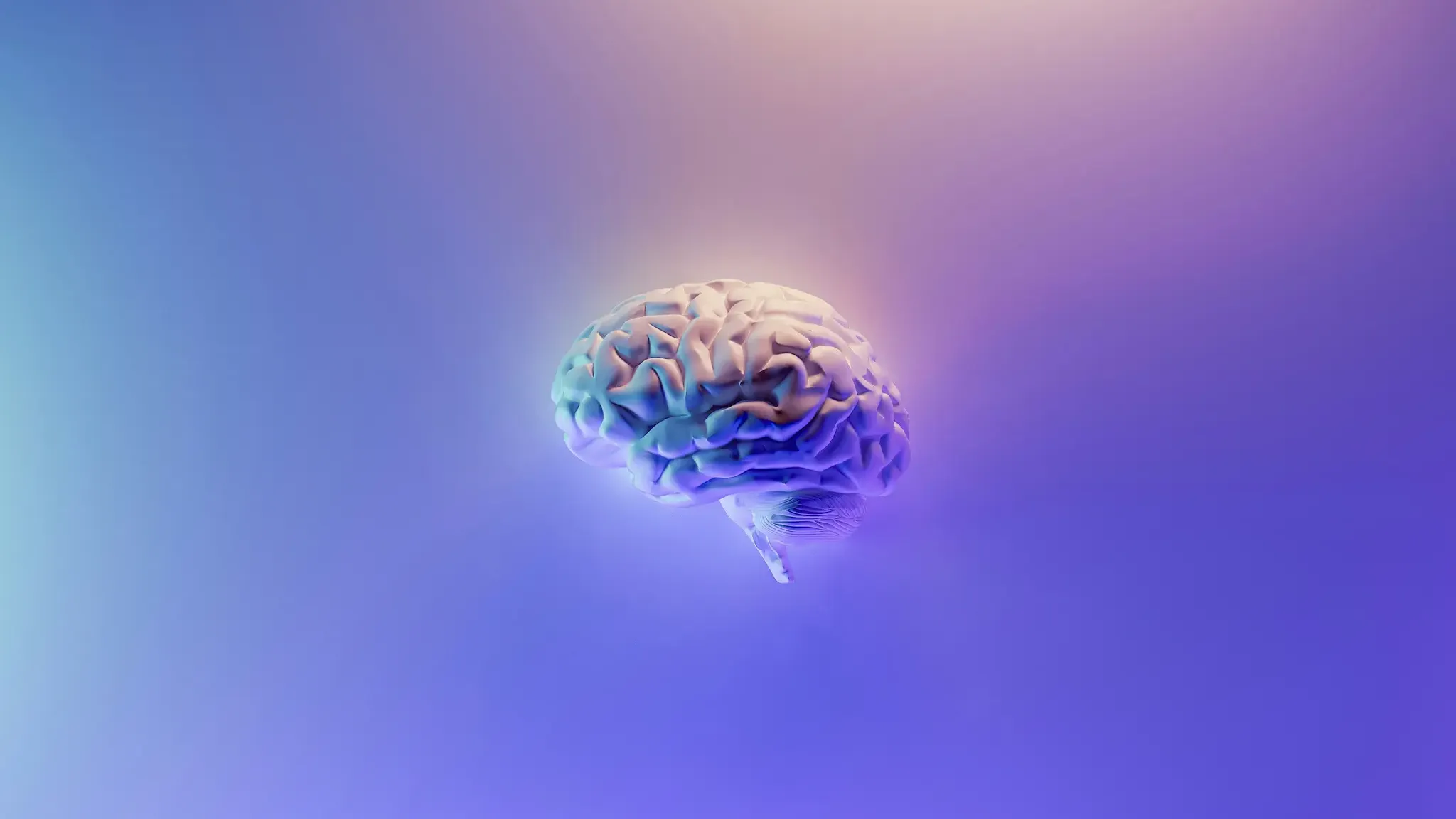
The brain is incredible.
It allows us to think, remember, learn, and control every movement we make. But unlike what many people once believed, the brain is not fixed.
It can change throughout life.
This ability is called neuroplasticity.
Neuroplasticity means the brain can reorganize itself by forming new neural connections in response to experience, learning, or injury.
In my case, after surgery, a small area had been affected. I temporarily lost normal speech and motor control in my hand.
But with practice and rehabilitation, my brain gradually built new pathways.
Slowly, I improved.
That experience made neuroplasticity feel less like scientific theory and more like lived proof that change is possible.
This is not only true after brain injury. It is relevant for everyone.
We all have the capacity to change patterns, build new habits, learn new skills, and move in new directions.
That realization became one of the foundations for this book.
My recovery exercises
After leaving the hospital, I continued practicing the exercises I had learned there.
I still do some of them today.
For example, I slowly moved my fingers one by one, touching my thumb, applying gentle pressure, and practicing small controlled movements.
These exercises helped support neural recovery and coordination.
I often practiced while walking, sitting, or even meditating.
Over time, I also became fascinated by how the nervous system responds when it feels safe.
Many neuroscientists explain that safety allows the nervous system to regulate and reorganize more effectively.
This opened a much bigger question for me:
If the brain can rebuild after injury, what else in life can be rebuilt?
Remembering my burnout
While lying in that hospital bed, I started thinking about my burnout in 2015.
At that time, I had worked too many hours for too many years. Eventually, my system shut down.
My body wasn’t failing me—it was protecting me.
I had a good career and stable jobs, but was I actually living the life I wanted? Was I fulfilled?
Before the surgery, I had moved to Italy because I believed it was my dream.
From 2016 until 2023, I had built a good life in Torino. But deep down, I had to ask myself an uncomfortable question:
Was I truly happy?
The awakening
Now, after the accident and surgery, I had temporarily lost abilities most people take for granted. Speech. Movement. Independence.
It forced me to reflect deeply.
Was this simply bad luck? Or was it also a wake-up call?
During those days in the hospital, I reread my old notes about neuroscience, purpose, and personal growth.
I also revisited ideas that had influenced me years earlier.
One of them was the book Start with WHY by Simon Sinek.
Suddenly, those ideas made much more sense than before.
I started asking myself a different question.
Not: WHAT should I do next?
But: WHY do I want to do it?
That question changed everything.
I realized I had spent years building a life that looked good from the outside, but was not fully aligned with what mattered most to me.
The surgery, strange as it sounds, became a turning point.
Not because I wanted it to happen, but because it forced me to become clear.
Clear about what matters.
Clear about what I value.
Clear about what I want my life to stand for.
That is why I wrote this book.
Not because I have all the answers, but because this experience pushed me to ask better questions.
In the coming chapters, I will share the tools, methods, and thought processes that helped me move from confusion and burnout toward more clarity, balance, and clear direction.
My hope is simple: that something in these pages helps you do the same.
Because change is possible.
And sometimes, what first looks like a crisis can become the beginning of something much better.
READ: How the amazing brain works