
Bergamot – Calabria’s most fragrant citrus fruit

My name is Roger, and I live on the sothern coast of Calabria, in a small place called Palizzi Marina.
I wrote this article about Bergamot in Norwegian in 2023, and now I have translated it into English so hopefully a wider audience of people can get to know this extraordinary citrus fruit.
Since 2024, we have been creating more guides and stories with text, photos, and videos from lesser-known places in Calabria.
We focus on destinations and experiences that are often overlooked by mainstream tourism.
If you would like updates when we publish new travel guides and local stories, you are welcome to follow along.
Register hereLet`s dive into the following topic:
1: The origins of Bergamot
2. This is the part of Calabria where Bergamot is grown.
3: This is when Bergamot are harvested
You might also find other article around Bergamot from the dropdown menu on top if this site.
1: The origins of Bergamot
The origin of bergamot is uncertain and still surrounded by mystery.
The fruit most likely has roots in Southeast Asia, but over time it found its way to the Mediterranean, and especially to Calabria in southern Italy, where it became deeply connected to the local culture and landscape.
Some historical sources claim that the plant was introduced by Christopher Columbus from the Canary Islands, arriving in the area around Reggio Calabria from the Spanish town of Berga — supposedly giving the fruit its name.
Others believe the name comes from the city of Bergamo in northern Italy, although this theory is considered less likely.
There are also theories pointing toward China, Greece, or Spain. With no certain geographical origin, bergamot probably appeared in Calabria sometime after the 14th century.
Or did it arrive much earlier?
Along the Ionian coast of Calabria - known as Costa Ionica - many people believe the Greeks may have brought bergamot to the region centuries before Columbus.
It is not an impossible theory.
Historically, we know that the armies of Alexander the Great transported plants and crops from areas around the Tigris and Euphrates rivers into the Mediterranean world.
Grapes, fruits, and vegetables spread through trade and migration, eventually reaching southern Italy.
The eastern and side of Calabria received large waves of Greek settlers, and even today there are villages where an ancient form of Greek is still spoken.
Because of this, many locals believe bergamot may have arrived with the Greeks long before the large-scale cultivation that developed centuries later.
What is more certain is that bergamot cultivation expanded significantly during the 18th century.
2: This is the part of Calabria where Bergamot is grown.
The first large bergamot plantation is believed to have been established in 1750 by Nicola Parisi in the area now known as Lido, just outside the centre of Reggio Calabria.
Over time, Calabria became known for producing the world’s finest bergamot. Today, the coastal areas around Reggio Calabria are considered the main production zone for this rare citrus fruit.
In 2001, Bergamotto di Reggio Calabria received DOP status — Denominazione di Origine Protetta — meaning the origin of the product is legally protected.
Only bergamot grown within specific municipalities in the province of Reggio Calabria can carry this designation.
Cultivation takes place across around 45 municipalities stretching from Scilla to Monasterace, among those municipalities, there are also cultivation in my village, Palizzi Marina
Walking through the countryside here, especially among vineyards and farmland, you quickly notice the clay-rich soil and favourable climate.
These conditions allow local farmers to produce fruit with a particularly high concentration of essential oils — one of the reasons Calabria dominates global bergamot production.
Modern extraction techniques have further increased the value of Bergamotto di Reggio Calabria DOP, making it highly sought after around the world.
3: This is when Bergamot are harvested
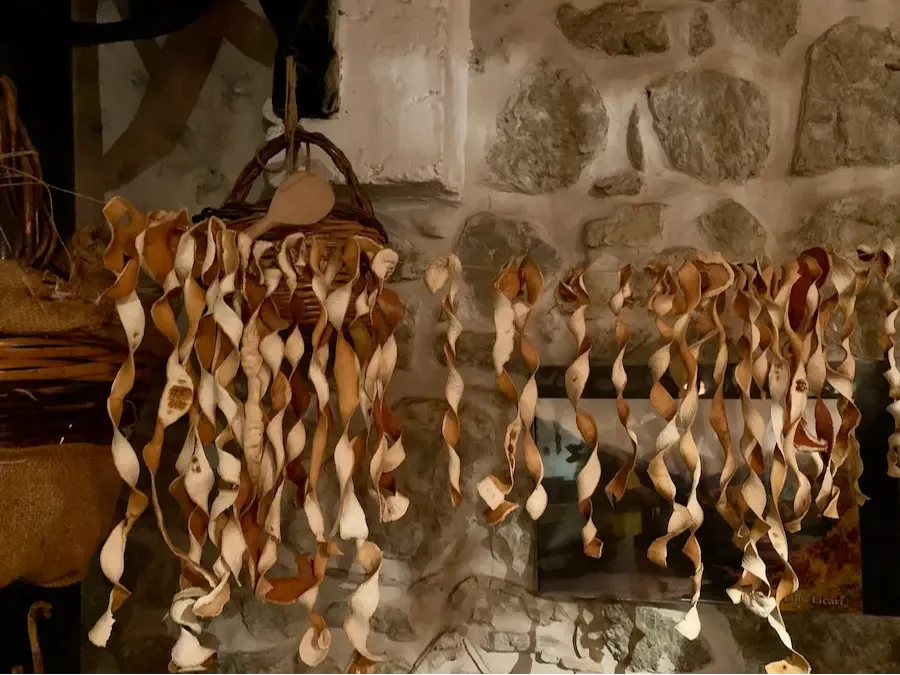
The harvest starts normally in November and goes to March. Back in the old day they took off the skin, and hung it to try.
They use it as a kind of spice to get even more tasty food - especially on dishes of fish like Spaghetti alle Cozze e Vongole it adds an extra dimension.
In this time of year, the Bergamot is green and it is sent to extraction of essential oils and for other products.
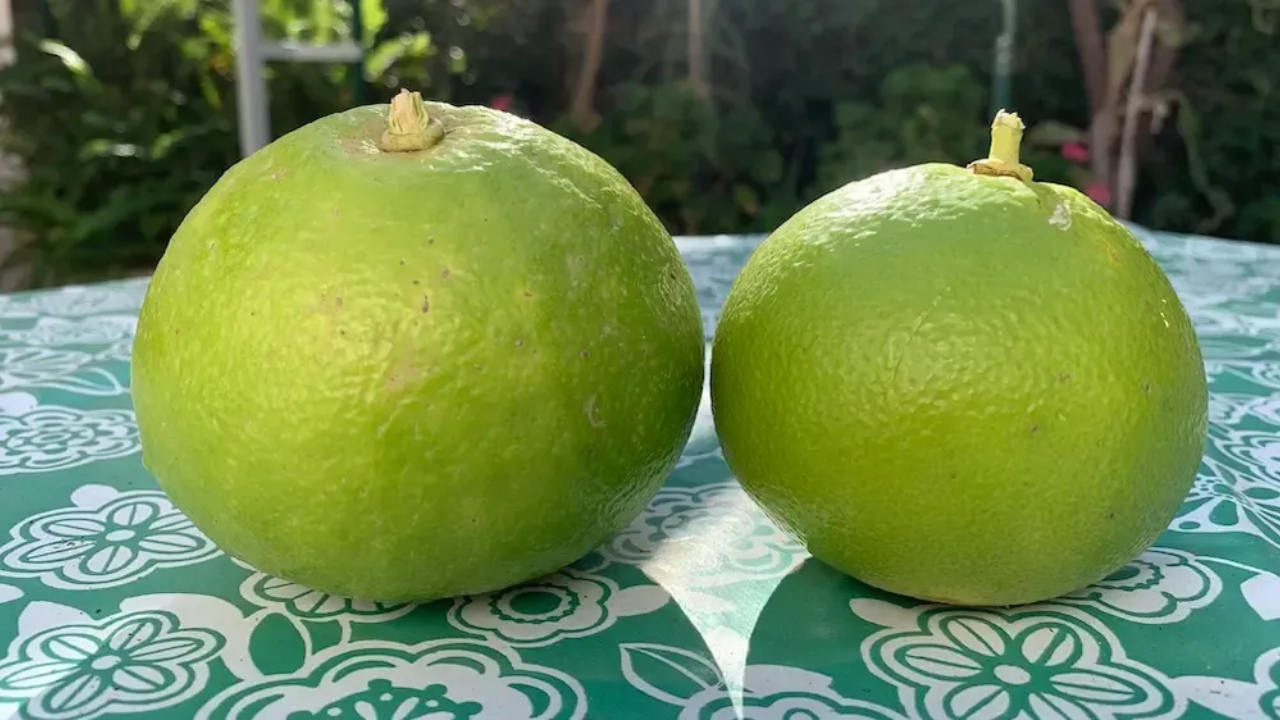
However there are also some that let the Bergamot stay on the three till its yellow.
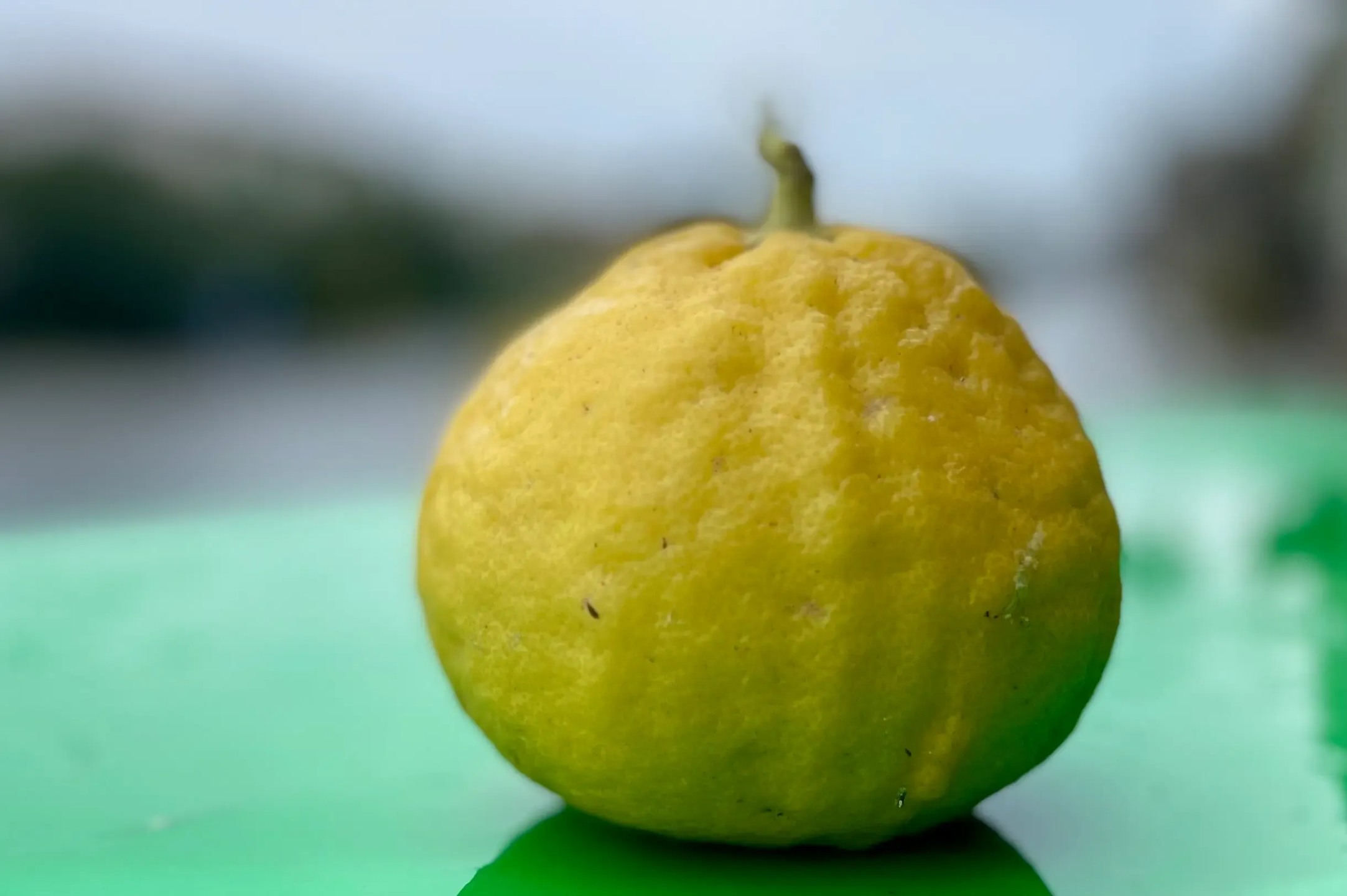
When it's yellow like in the late spring time, it's better to eat because it has lost its acidity, still remaining with all the health benefits.
In my village, Palizzi Marina, we also use Bergamot in the summer and late summer.
For example as it has benefits like anti-inflammatory effects we use for disinfection when we cook or have grill parties under a stay in Palizzi.